Web Summit: A Global Platform Reshaping Modern Technological Influence
May 6 ,2026
Tom.
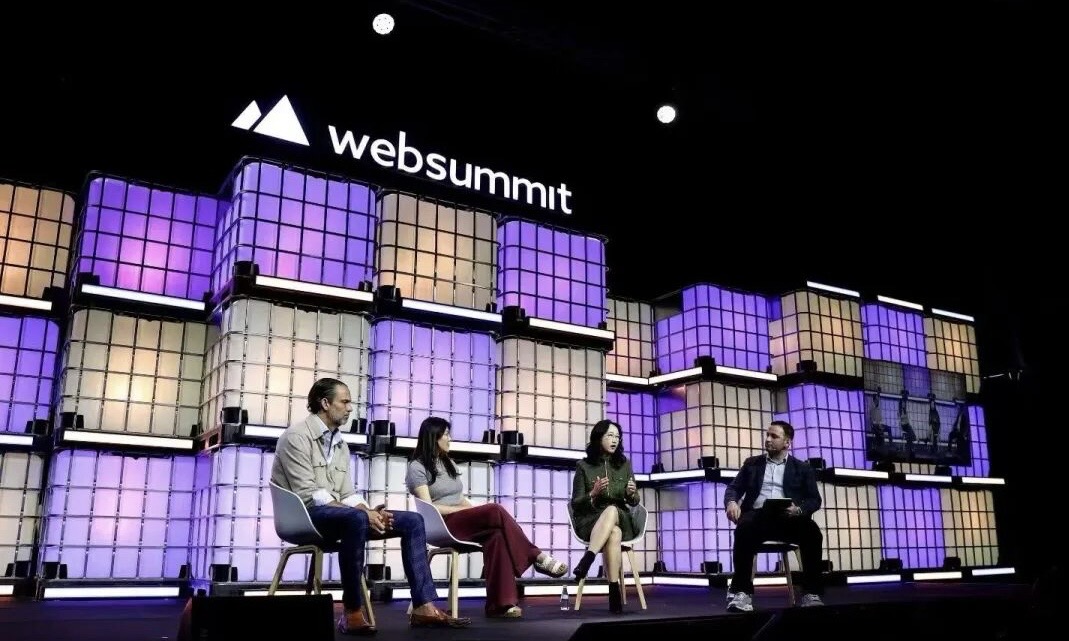
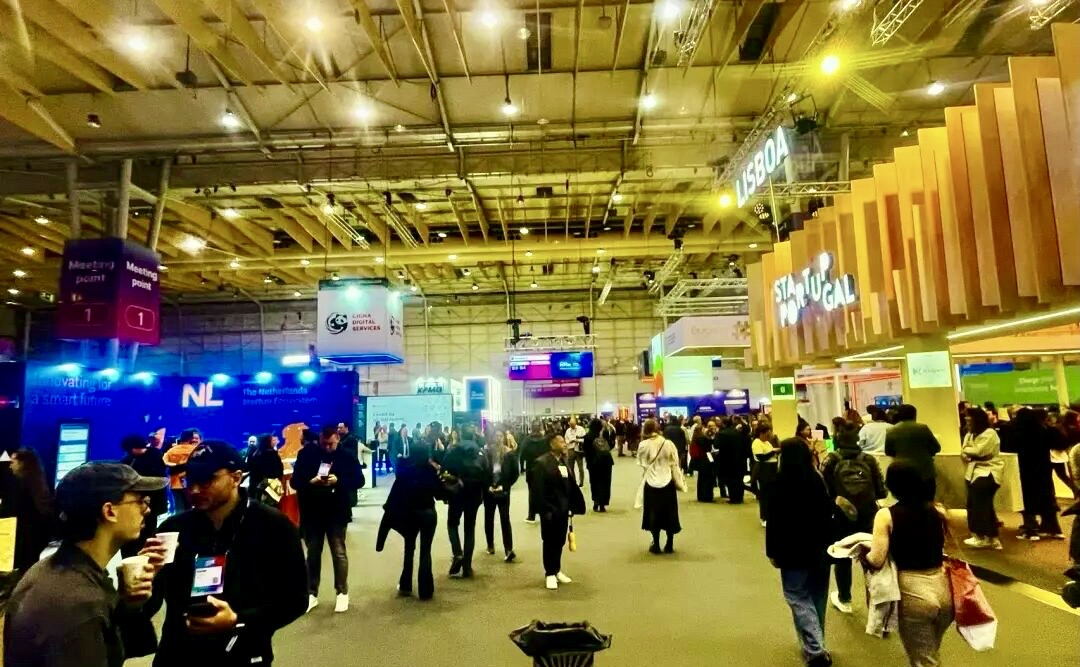
In today’s rapidly evolving global technology industry, tech conferences are no longer merely stages for companies to showcase products. They have become important arenas where investors, media, entrepreneurs, and policymakers collectively shape the future. Among them, Web Summit is widely regarded as one of the most influential technology conferences in the world today.Since its founding in 2009, Web Summit has evolved from a startup gathering of only a few hundred participants into an international technology event spanning artificial intelligence, fintech, climate technology, digital media, and the global innovation ecosystem.It has not only witnessed the transformation of the technology industry, but has also profoundly influenced global technology trends, capital flows, and the future direction of digital society.
1. The Rise of Web Summit: From Startup Gathering to Global Tech Trendsetter
Web Summit was originally founded in Dublin by entrepreneur Paddy Cosgrave. Its original mission was to provide a communication platform for entrepreneurs, investors, and developers. However, with the rise of mobile internet, cloud computing, and artificial intelligence, Web Summit quickly grew into an important global indicator of technological trends.
Today, Web Summit attracts technology companies, universities, investment institutions, and government representatives from more than one hundred countries every year, including:
Global technology giants
Startup companies
Venture capital institutions
International media organizations
Policymakers
All regard it as a key window for observing future technological trends.Compared with traditional trade shows, Web Summit places greater emphasis on connecting the broader technology ecosystem. It focuses not only on products themselves, but also on how technology transforms society, the economy, and human life.
2. Core Impacts on the Global Technology Industry
a Promoting the Globalization of the Startup Ecosystem
One of Web Summit’s greatest impacts lies in helping startups gain global exposure.
Many startups secure funding, establish international partnerships, and even enter global markets during the conference. For small and medium-sized technology companies, Web Summit provides a platform to communicate directly with world-class investors and media organizations.
This “global entrepreneurial network” is changing the traditional pattern in which technological resources were highly concentrated in Silicon Valley. Increasingly, innovative companies from Asia, Africa, and Latin America are gaining international visibility through Web Summit.In a sense, Web Summit is helping global technological innovation transition from a “single-center model” to a “multi-center model.”
b. Accelerating the Adoption of Artificial Intelligence
In recent years, artificial intelligence has become one of the central themes of Web Summit.
From generative AI and large language models to AI safety, AI ethics, and the future of automation, numerous technology companies and research institutions use the conference to present ideas and products. Artificial intelligence is no longer merely a technical topic; it is gradually becoming a major force influencing economic structures and social governance.
Examples include:
AI applications in healthcare
AI-driven financial services
Smart manufacturing
Autonomous driving
Content generation and digital marketing
Through Web Summit, these topics are rapidly disseminated throughout the global technology ecosystem, accelerating the commercialization and implementation of AI technologies.At the same time, the conference has also encouraged public discussion about AI-related risks, including data privacy, algorithmic bias, and job displacement. These parallel discussions of technology and ethics are shaping a new global awareness of technology governance.
3. Reshaping Investment DirectionsWeb Summit has a clear “trend amplification” effect on the venture capital market.
Every year during the conference, investment institutions focus heavily on emerging sectors such as:
Artificial intelligence
Climate technology
Web3
Fintech
Cybersecurity
Sustainable energy
Once a particular technology gains significant attention at the conference, it often signals that capital markets will further increase investment in that area.Therefore, Web Summit is not only a showcase for technological trends, but also, to some extent, an influencer of global capital flows. It efficiently connects technological innovation with investment capital, thereby accelerating the industrialization of new technologies.
4. Strengthening the Connection Between Technology and Social Issues
Unlike many traditional technology exhibitions, Web Summit places strong emphasis on the impact of technology on social structures.
The conference frequently discusses issues such as:
Digital democracy
Social media governance
The spread of misinformation
Data privacy
Cybersecurity
Female leadership in technology
Climate change
This reflects the reality that the technology industry is no longer solely about commercial competition; it has become an important component of global public discourse.Particularly in an era shaped by artificial intelligence and social media, technology companies now possess information influence approaching that of nation-states. Web Summit provides a cross-industry platform for discussion, bringing technology governance increasingly into the global public spotlight.
3. What Web Summit Means for China’s Technology Industry
For Chinese technology companies, the influence of Web Summit is equally significant.
First, it signals that Chinese companies must become more internationalized. The previous model of relying primarily on rapid domestic market growth is shifting toward global technological competition.
Second, Chinese technology companies have enormous potential in fields such as artificial intelligence, cross-border e-commerce, new energy, and digital payments, while Web Summit offers an important gateway into the global innovation network.
In addition, China’s technology industry must place greater emphasis on:
Technology ethics
Data security
International cooperation
Global brand building
Future technological competition will not only be a competition of technical capability, but also one of global influence and ecosystem-building capacity.
4. Controversies and Challenges Facing Web Summit
Despite its enormous influence, Web Summit also faces controversy.
Examples include:
Excessive commercialization of technology
The growing AI bubble
Monopoly issues among major technology companies
Data privacy concerns
The “entertainmentization” of tech conferences
Some critics argue that technology conferences can create hype cycles around concepts, causing investors to excessively chase trending technologies while neglecting truly long-term innovation.Furthermore, as artificial intelligence develops rapidly, global demands for technology regulation are also increasing. In the future, how Web Summit balances “freedom of innovation” with “social responsibility” will become a crucial test of its long-term influence.
5. Conclusion
Web Summit is no longer just a technology conference; it has become a major platform of influence in the global digital era.It connects entrepreneurs, capital, technology, and social issues, continuously driving the evolution of the global technology ecosystem. Whether in the AI revolution, green technology transformation, or digital governance, Web Summit plays an important role.In the future, as AI, quantum computing, robotics, and the global digital economy continue to advance, Web Summit’s influence may expand even further.For businesses, entrepreneurs, and the general public alike, understanding the technological trends represented by Web Summit also means understanding the future direction of the world itself.
Web Summit 2026 Preview:
Global Tech Extravaganza Returns to Lisbon with “Rebuilding Trust in Tech” as Core Theme
March 8 2026,
Tom K.
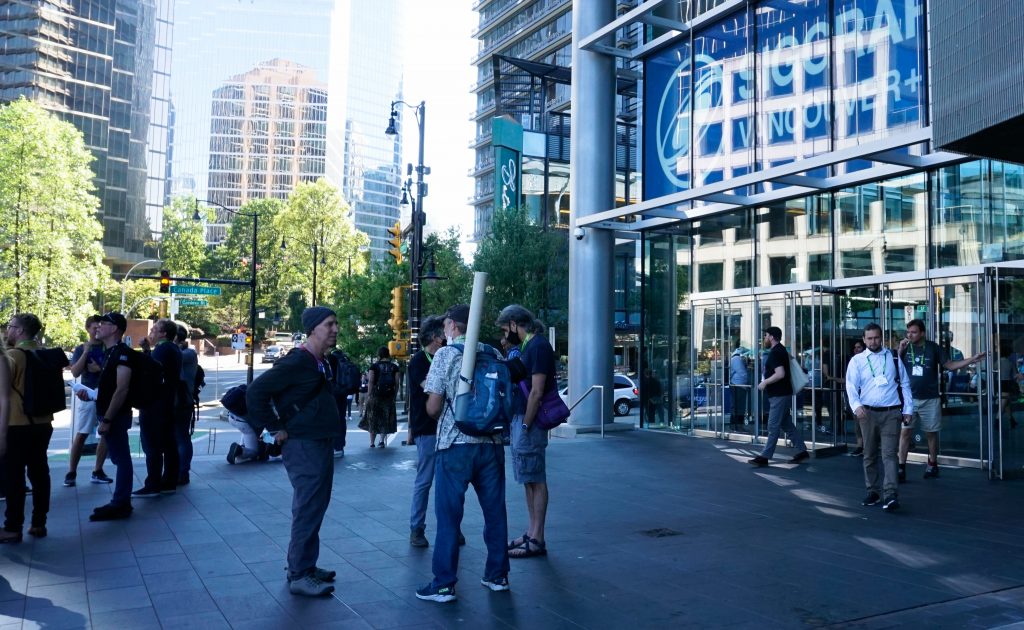
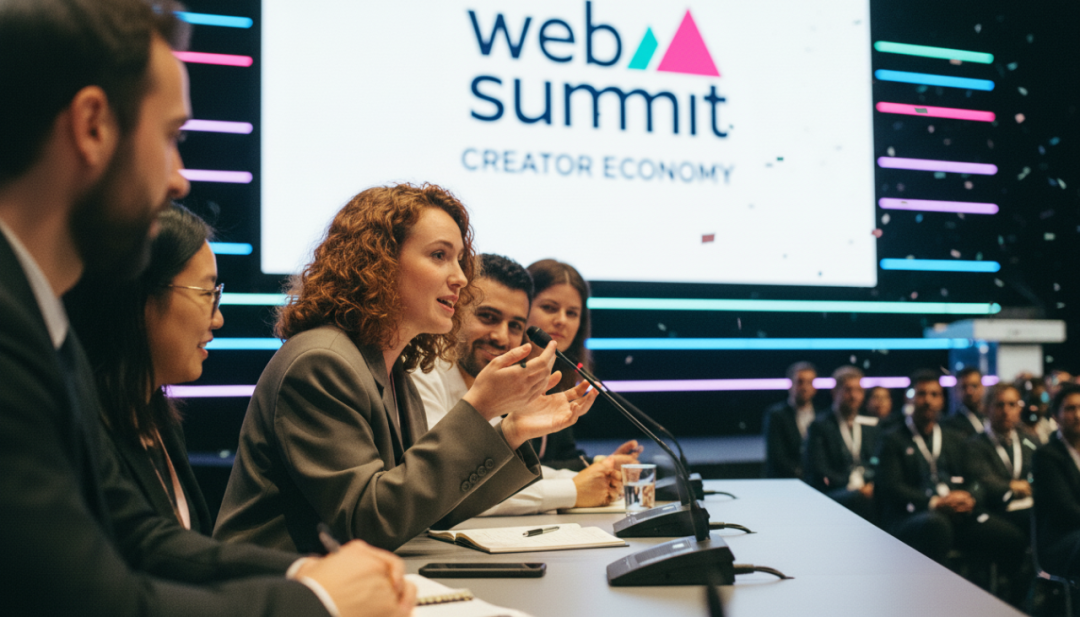
When the calendar marks November 9, 2026, the Lisbon Exhibition Centre (FIL) and the MEO Arena will once again become the focal point of the global tech community. After more than a decade of growth – from a small 150-person conference in Dublin, Ireland, to a worldwide series spanning Lisbon, Rio de Janeiro, Doha, and Vancouver – Web Summit has firmly established itself as “Europe’s best technology conference”. According to official summit websites and media reports, the 2026 edition is expected to attract over 70,000 attendees, including more than 2,500 startups, over 1,000 investment institutions, and tech leaders and policymakers from more than 170 countries.
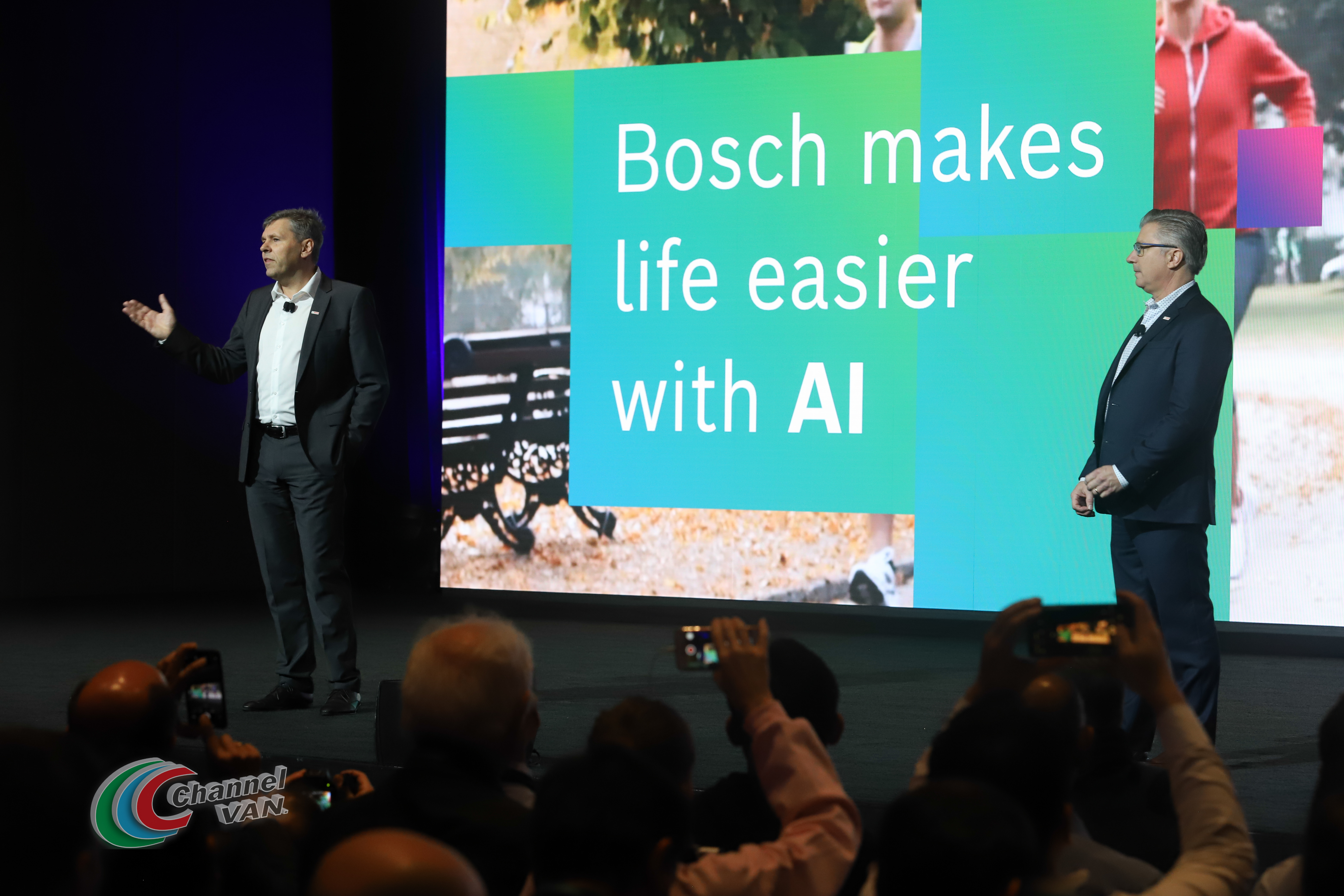
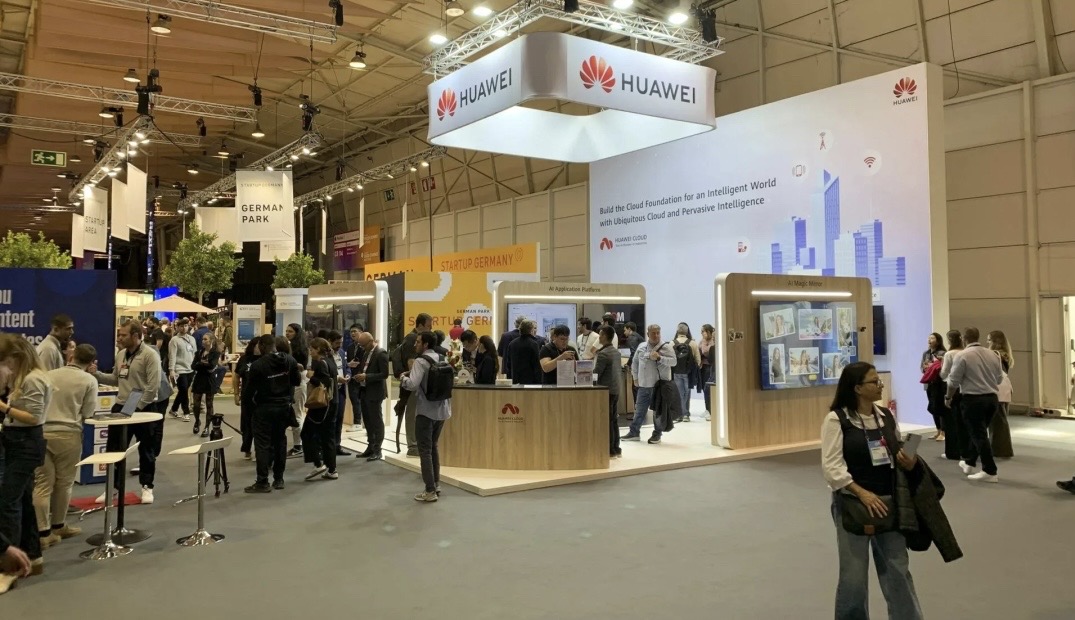
The overarching theme this year is “Rebuilding Trust in Tech”, designed to address the doubts triggered by the explosion of generative AI and the shifting geopolitics of technology, placing trust, security, and human‑centered innovation at the core of the event. Based on the plans released so far, leaders from global tech giants such as Apple, Google, Meta, Amazon, Microsoft, Huawei, and Visa will appear on the main stage, holding more than 20 panel discussions on topics including artificial intelligence, blockchain, big data, cybersecurity, and climate tech. Portuguese local media also report that Meta, Microsoft, and Oracle will host numerous expert masterclasses, sharing cutting‑edge insights with industry professionals.
Looking back at the previous edition in November 2025, artificial intelligence was already the “soul theme” running through the entire event. At that time, Microsoft announced a €10 billion investment to build a major data centre in Portugal, which was regarded as one of the major investments in European AI computing power. At the same time, the summit’s founder, Paddy Cosgrave, said in his opening speech that the era of Western dominance in technology was over, and the rapid rise of Chinese companies – including impressive demonstrations of AI‑driven 3D printing and humanoid robots – in the global AI arena became a hot topic for the media. These discussions form a subtle link with this year’s theme of “rebuilding trust”.
Furthermore, according to AFP, the 2025 edition was overshadowed by the initial clouds of geopolitical trade after Donald Trump’s election as US president. The CEO of Qualcomm said on stage that “no matter which administration is in power, we can do business successfully around the world”, reflecting the resilience and challenges the tech industry faces in navigating great‑power rivalries. At the EU level, Henna Virkkunen, the European Commission’s Vice President for Digital and Frontier Technologies, will stress to attendees that in the face of growing dependence on “US hyperscale cloud providers”, Europe must explore home‑grown technology options to maintain its economic sovereignty. This set of macro political and economic factors will undoubtedly make the agenda of the 2026 summit even more urgent and intense.